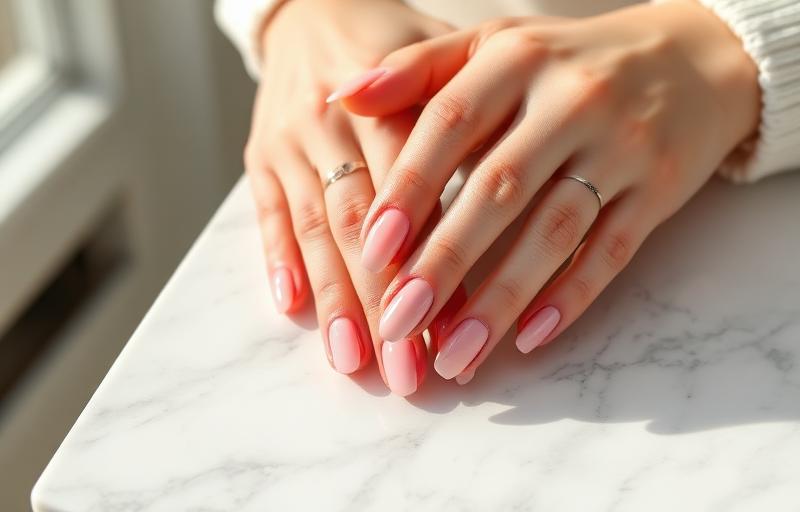
A Guide to Nail Health & Maintenance
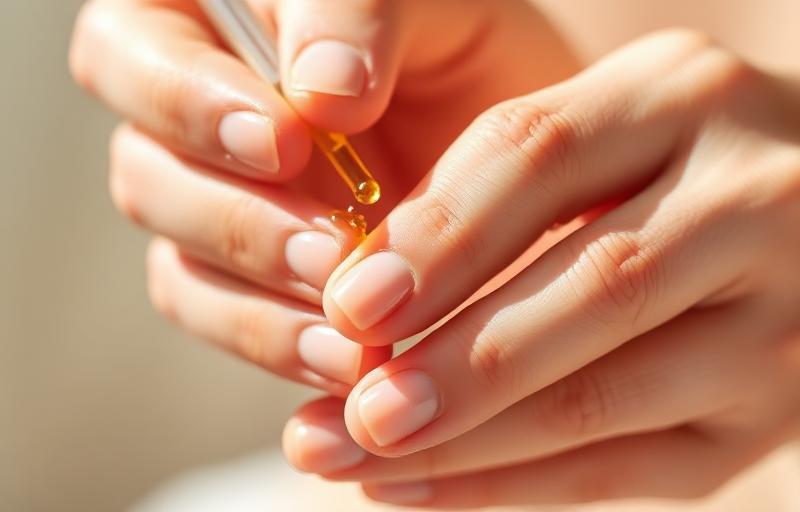
At Maguist Beauty & Lifestyle, we believe beautiful nails start with healthy nails. Whether you’re a gel manicure regular, an acrylic enthusiast, or prefer natural nails, taking care of your nails between appointments makes a huge difference in how they look and feel.
Daily Habits for Healthier Nails
Apply cuticle oil every day. This is the single most impactful thing you can do for your nails. Cuticle oil keeps the nail bed hydrated, prevents hangnails, and helps gel and acrylic manicures last longer by preventing lifting at the edges.
Use hand cream after washing. Frequent hand washing strips natural oils from your skin and nails. Replenish moisture with a rich hand cream, especially before bed.
Wear gloves for cleaning and dishes. Hot water, detergents, and cleaning chemicals are brutal on both natural nails and manicures. A simple pair of rubber gloves makes a big difference.
Don’t use your nails as tools. Prying, picking, peeling, and scraping puts stress on your nails and can cause breakage, cracks, or gel lifting.
Nutrition for Strong Nails
What you eat directly affects nail health. Key nutrients include:
Biotin (Vitamin B7): The most well-known nail supplement. Found in eggs, nuts, seeds, sweet potatoes, and spinach. Studies show biotin supplementation can improve nail thickness by up to 25%.
Iron: Iron deficiency can cause brittle, spoon-shaped nails. Eat lean meats, beans, lentils, and leafy greens.
Zinc: Supports nail growth and prevents white spots. Found in oysters, beef, pumpkin seeds, and chickpeas.
Omega-3 fatty acids: Keep nails moisturized from the inside. Found in salmon, walnuts, chia seeds, and flaxseed.
Hydration: Drink plenty of water! Dehydration shows up in your nails as brittleness and peeling.
Signs Your Nails Need Attention
Peeling layers: Usually caused by dehydration or chemical exposure. Increase moisture and wear gloves.
Vertical ridges: Normal and increase with age. Buffing and ridge-filling base coats can smooth them.
White spots: Typically from minor nail bed trauma. Harmless and grows out on its own.
Yellowing: Often from dark polish used without a base coat. Always use a base coat, and consider a nail whitening treatment.
Horizontal ridges (Beau’s lines): Can indicate stress, illness, or nutritional deficiency. See a dermatologist if persistent.
How Often Should You Visit the Salon?
Gel manicures: Every 2–3 weeks for fills or a fresh set.
Acrylic/extension fills: Every 2–3 weeks to maintain the look and prevent lifting.
Pedicures: Every 4–6 weeks (more often in sandal season).
Natural nail maintenance: Every 3–4 weeks for shaping, cuticle care, and a fresh coat of polish.
Give Your Nails a Break
We recommend going product-free for 1–2 weeks between long-wear sets (gel, acrylics) every few months. This lets your natural nails breathe, recover, and regain strength. During your break, apply cuticle oil and a strengthening treatment daily.
Explore More Nail Guides
Ready to book? Learn about our most popular services: gel manicures, nail extensions (acrylic, gel & Gel-X), signature pedicures, and custom nail art.
Questions about your nail health? Contact us — we’re always happy to help. Or book your next appointment and we’ll check on your nail health in person!
Frequently Asked Questions
How often should I get my nails done?
What’s the best way to strengthen weak nails?
Should I take a break from gel nails?
What causes nails to peel or break easily?
You Might Also Enjoy